








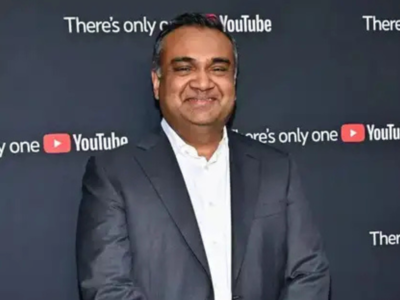
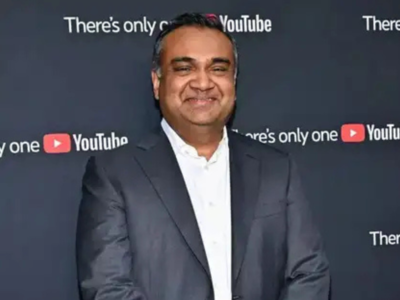
YouTube CEO Neal Mohan has responded to a landmark lawsuit in California in which the platform, along with Meta – the parent company of Instagram – was sued by a young woman who alleged that YouTube is addictive and harmful. Mohan said that while the answer lies in making the digital world safer for children, not shutting them out of it entirely.According to a The New York Times interview (published after a jury found YouTube and Meta negligent in addressing addiction), Mohan has laid out a philosophy on how platforms like YouTube should approach the protection of young users.“We should be thinking about protecting young people in the digital world as opposed to protecting them from the digital world,” Mohan said.To illustrate his point, Mohan reached for a personal comparison, using the analogy of teaching his daughter to ride a bike.“The best analogy I can think about is teaching my daughter to ride a bike. It starts with training wheels, and you take off the training wheels, and then eventually she can ride her bike and be on her own,” he said, highlighting that the internet not as a danger to be avoided but as a space young people need to learn to navigate gradually and safely.Recently, a judge found that YouTube, along with Meta’s social media platforms, have contributed to the mental health struggles of a 20-year-old woman, identified as Kaley G.M.., due to the addictive nature of their platforms. YouTube said it will appeal the California verdict and disagrees with its findings. The company’s lead trial lawyer said that the platform has introduced features to interrupt long viewing sessions and give parents insight into their children’s screen time.
YouTube CEO rejects banning social media for kids
Mohan pushed back firmly on the idea of restricting children’s access to online content altogether, calling it fundamentally wrong. “I also think it’s wrong, frankly, to eliminate that knowledge, that library of content,” he said, adding that the solution is better and more practical parental controls – tools that are easy enough for parents to actually use and enforceable enough to make a real difference.“The way I think you approach it is to make it so that parental controls are truly practical and easy to use, and can actually be enforceable. That’s what we can do,” Mohan said.In December, Australia banned social media access for kids under 16, and several other countries are mulling to bring similar restrictions.