






The demand for statehood for Puducherry—pending for decades—has now become the most talked-about political issue in the former French colony ahead of the upcoming assembly elections.Since the 1960s, after its merger with India, Puducherry has remained a Union territory. In this system, the lieutenant governor, who represents the President of India, wields more power than the chief minister. This imbalance has often resulted in clashes between the lieutenant governor and the elected political leadership, a pattern seen in other Union territories with similar arrangements.The BJP, a partner in the outgoing AINRC-led government in Puducherry, has also been the ruling party at the Centre since 2014. Despite this, the long-standing statehood demand remains unresolved.Will this issue work in favour of the opposition Congress-DMK alliance, or can the AINRC-BJP coalition navigate the challenge and retain power?
How and why Puducherry became a Union territory
Puducherry, a former French colony, consists of four districts: Puducherry, Karaikal, Mahe, and Yanam.Although France transferred the colonies to India on a de facto basis in November 1954—more than seven years after India’s independence—it was only in August 1962 that Puducherry, then known as Pondicherry, formally became part of the Indian Union. It was subsequently accorded the Union territory status in July 1963.
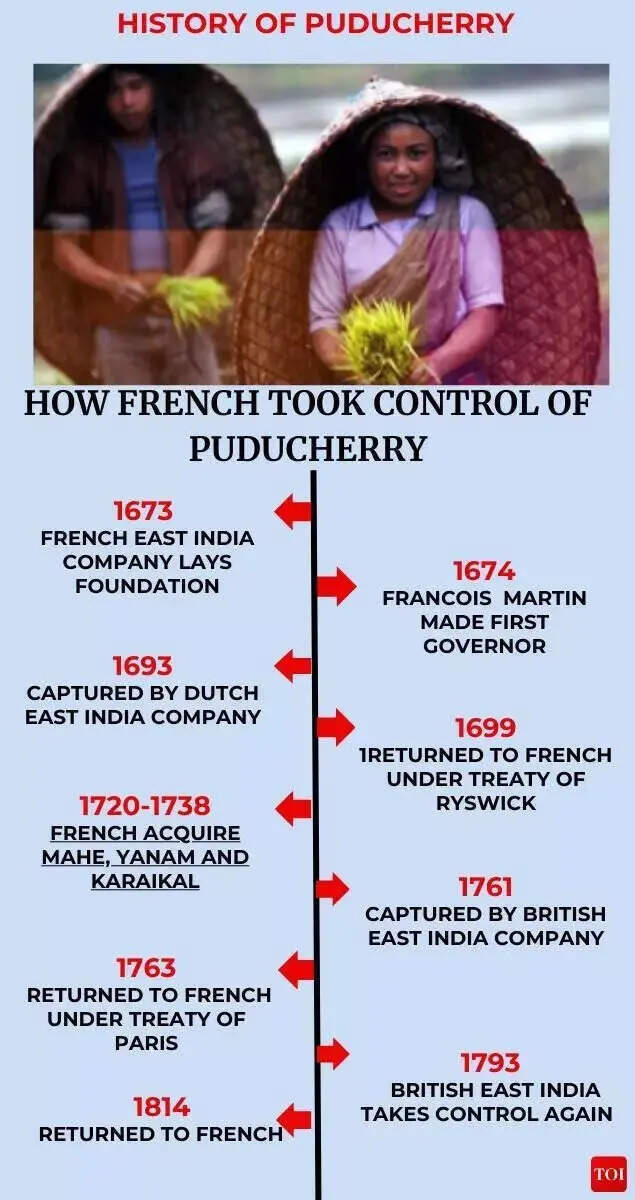
Puducherry history
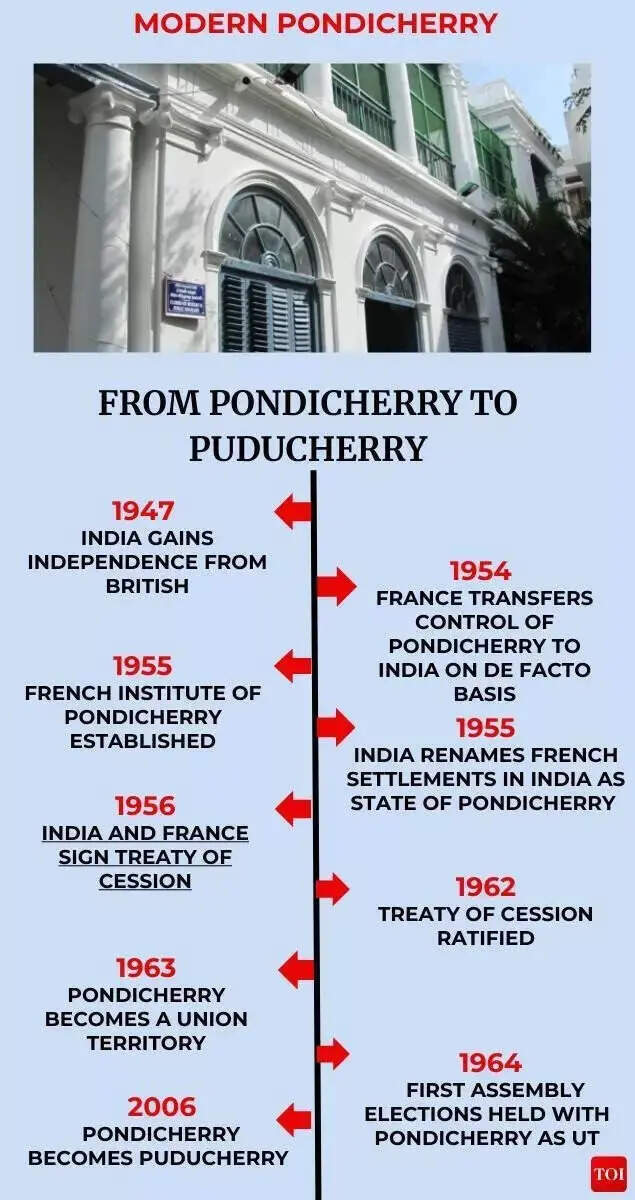
Modern Puducherry
Officially, the Treaty of Cession, signed between India and France in May 1956, mandated that the four colonies be given a special administrative status.However, with the districts dispersed across three states and speaking multiple languages, and shaped by a strong legacy of French influence, direct integration into any single state becomes impractical, necessitating administration by the Centre.
Politics behind LG appointment
Union territories are administered by the President through a lieutenant governor or, in certain cases, an administrator, as specified under Article 239 of the Constitution.Further, Article 239 empowers Parliament to establish a legislative assembly, a council of ministers headed by a chief minister, or both—allowing Pondicherry, which was officially renamed Puducherry in 2006, to have both. This system is similar to the arrangements in Delhi and Jammu & Kashmir.India has five other Union territories—Andaman and Nicobar Islands, Chandigarh, Dadra and Nagar Haveli & Daman and Diu, Ladakh, and Lakshadweep. Each operates without a legislative assembly and is administered by the President through an administrator.Although the lieutenant governor or administrator is formally appointed by the President, the person—usually a senior leader from the ruling party—is recommended by the central government, rendering the process a formality. The largely political nature of these appointments often results in tensions with opposition-led states/Union territories. Puducherry’s situation is no different.
How UT status affects governance in Puducherry
Chief minister N Rangasamy, like his predecessor V Narayanasamy of the Congress, has had clashes with the lieutenant governor. While Narayanasamy frequently sparred with then-lieutenant governor Kiran Bedi, a former IPS officer who later joined the BJP, Rangasamy has faced similar tensions with the current lieutenant governor, K Kailashnathan, a retired bureaucrat who assumed office in August 2024.
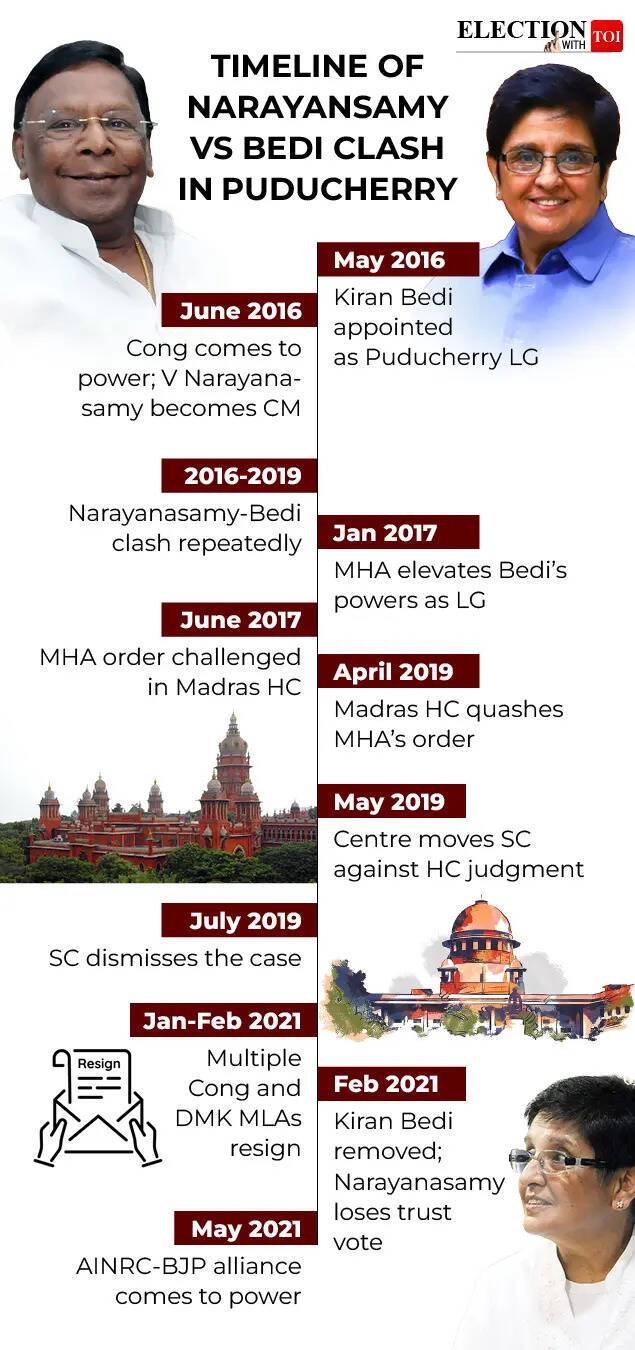
Timeline of Narayansamy vs Bedi clash in Puducherry
In July last year, tensions came to a head when Kailashnathan appointed the director of the Health and Family Welfare department without consulting Rangasamy, who also held the health portfolio. The move led to a stand-off between them.After the chief minister and his ministers stayed away from work for several days, the BJP leadership intervened, and a “truce” was eventually reached.Rangasamy has frequently expressed frustration with the arrangement, saying it hampers governance in the Union territory. The BJP’s failure to grant statehood—along with its decision to include the newly formed party led by businessman Jose Charles Martin, son of “lottery king” Santiago Martin, in the National Democratic Alliance (NDA)—nearly led to the AINRC and the BJP contesting the assembly polls separately, before a seat-sharing agreement was eventually announced.
The case for and against statehood
In July 2019, the Supreme Court declined to hear the Centre’s challenge to an earlier Madras high court ruling, which held that the Puducherry lieutenant governor must act on the advice of the council of ministers and should not interfere in the government’s day-to-day affairs. The judgment of the Madras HC—Puducherry falls in its jurisdiction—of April that year came over a year after the Supreme Court’s 2018 verdict on Delhi. Then, a five-judge Supreme Court bench had unanimously ruled that the Delhi lieutenant governor is bound by the advice of the elected chief minister and the council of ministers.Notwithstanding the judgments, political experts cite the following arguments both for and against granting statehood to Puducherry.For:
- Administrative ease: Puducherry’s four districts are spread across three states and still retain significant French influence, making it a unique case and therefore suited for central administration.
- Cultural preservation: With two districts speaking Tamil and one each speaking Malayalam and Telugu, the Union territory status allows the Centre to ensure all languages and cultures receive equal recognition and administrative attention.
- Treaty obligation: The India-France Treaty of Cession requires the four districts to be governed as special administrative regions.
- Quick policy implementation: If the Puducherry government does not implement central schemes, the Centre can execute them directly through the lieutenant governor.
- Law and order: The Union home ministry is responsible for law and order, as Puducherry is a Union territory, so central forces can be deployed directly to handle any such matter. Conversely, in states, law and order is a state subject, and although the Constitution allows the Centre to intervene, the convention is to wait for a formal request.
- Smaller population management: With a population of around just 9.5 lakh, central administration is more practical than by a full state government.
Against:
- Affects governance: The LG’s power to bypass or override the government hinders its functioning and leads to frequent clashes between them.
- No accountability: Central oversight can allow elected representatives to claim that certain decisions or failures are under the Centre’s control, reducing their own accountability to the people.
- ‘Undermining’ people’s mandate: Bypassing the government could be perceived as undermining the people’s mandate given to those elected to govern them.
- One-language ‘domination’: Since Tamil is the most widely spoken language (88% speakers as per Census 2011), Malayalam and Telugu speakers could feel underrepresented or neglected.
- Ripple effect: Making Puducherry — or any Union territory — a state might encourage similar demands elsewhere. For instance, statehood is a pressing political demand in Ladakh — where protests over full statehood and autonomy issues turned violent in September 2025 — and in neighbouring Jammu & Kashmir.
Where political parties stand
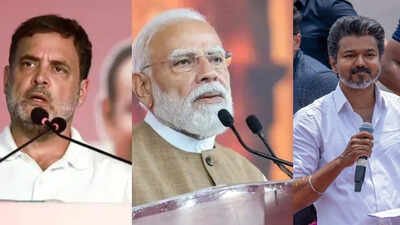
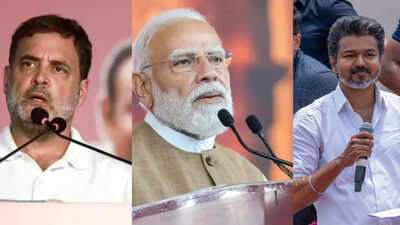
While the All India NR Congress’ stand is clear, the BJP’s is not. Although over the years, BJP MLAs have supported statehood resolutions in the assembly – 16 resolutions had been passed as of March 2025 – its manifestos have been silent on the issue. Most recently, the saffron party’s 2021 manifesto promised a “special Union territory” status for Puducherry but made no mention of granting full statehood.In contrast, the Congress has openly supported the demand and has again promised statehood if elected to govern Puducherry. The national parties’ Dravidian allies, DMK and AIADMK, have both consistently supported granting statehood to the Union territory.Actor-turned-politician Vijay, whose Tamilaga Vettri Kazhagam (TVK) is the new player in the mix, has also criticised the central government for not granting statehood yet.On its part, the BJP-led Centre maintains there are no plans to change Puducherry’s status.
Puducherry has a robust governance and administrative setup within the existing constitutional and legal framework to deliver public goods efficiently
MoS (Home) Nityanand Rai in Rajya Sabha
If highlighted properly, the issue could become a concern for the AINRC-BJP alliance.
Can statehood issue decide Puducherry election outcome?
Political observers argue that because Puducherry’s government has limited powers, voters often make strategic choices. They tend to support either a national party like the Congress or, as has been the case more recently, a regional party such as the All India NR Congress that is aligned with the ruling party at the Centre, in this case, the BJP.Even other regional players like the DMK and the AIADMK—which have previously governed Puducherry—have, in recent elections, preferred to contest as allies of either the BJP or the Congress. However, in the past five assembly elections since 2001, voters have chosen a party different from the one ruling at the Centre in three out of five instances: 2001, 2011, and 2016. Therefore, while non-statehood is the biggest issue in Puducherry, it may not necessarily be the decisive factor in elections. Voters often prioritise hyperlocal issues over constitutional status.
Election countdown begins
With the voting set to be held on Thursday, political parties have done their bit to convince people to vote for their parties. The campaign in the coming days is expected to intensify, with the statehood demand likely to feature prominently on party agendas.
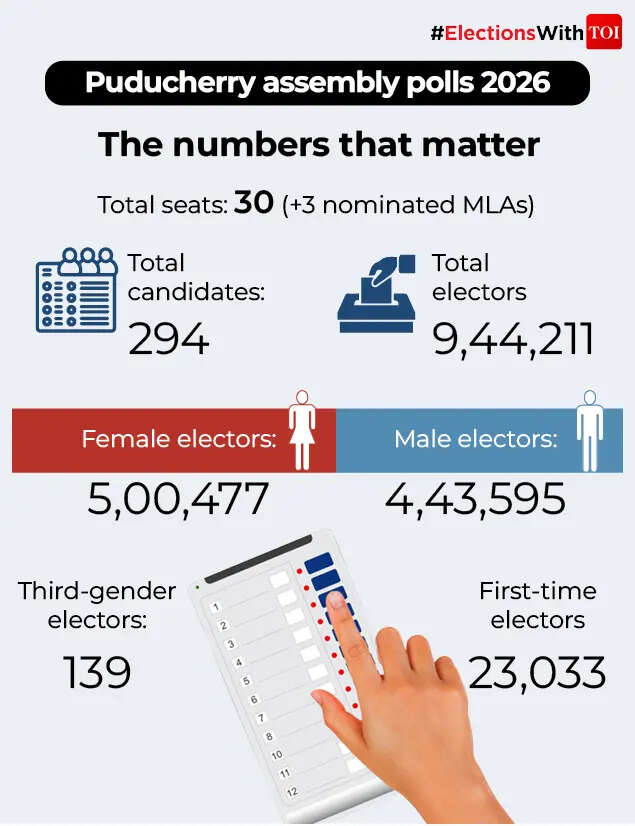
Puducherry assembly polls 2026
As the current ruling party in Puducherry and one that has an ally in power at the Centre, the AINRC would be the hardest hit if the statehood issue sticks with the voters. Another challenge for the Rangasamy-led party is the Union territory’s pattern of voting out governments after just a single term in the past three assembly polls. The NDA is set for a direct contest against the Congress-DMK alliance, while TVK is attracting significant attention. The vote count is scheduled for May 4.